Need help choosing the right laser system? We are here for you. Get a Free Consultation

Novanta Laser Solutions for Every Manufacturing Challenge

Different industries have different problems. We have spent 25 years learning the specific requirements of each one so we can recommend the right laser setup, not just the most expensive one.

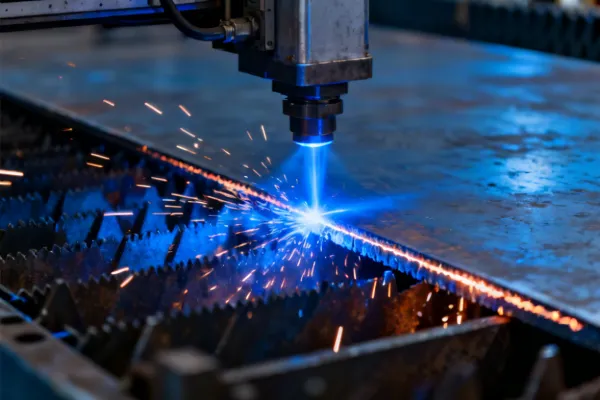
Fiber laser cutting thick carbon steel
Metal Cutting

Sheet Metal and Plate Cutting

Our fiber laser cutters handle carbon steel from thin gauge up to 25mm, stainless steel to 20mm, aluminum to 16mm, and brass and copper in thinner gauges. We offer power configurations from 1.5kW for light-duty work up to 20kW for heavy plate cutting.

Common applications include automotive body panels, electrical enclosures, HVAC ductwork, kitchen equipment, signage, structural components, and architectural metalwork. Whatever you are cutting, we have a machine configuration that matches your throughput and tolerance requirements.

What You Should Know

  • For steel under 6mm, a 3kW laser provides excellent speed and cut quality
  • Thick plate cutting above 12mm benefits significantly from 6kW and higher
  • Nitrogen assist gas gives cleaner edges on stainless steel but costs more per hour than oxygen cutting on mild steel
  • Edge quality depends on power, speed, gas pressure, and focus position. We tune all four during installation
Discuss Your Cutting Needs
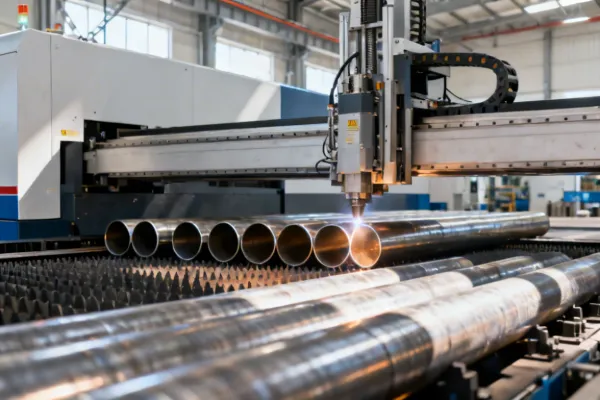
Tube laser cutting machine with automated loading
Tube Processing

Tube and Profile Cutting

Round, square, rectangular, channel, and angle profiles up to 220mm diameter. Our tube laser cutters include automatic loading, chuck rotation, and support systems for long tubes up to 12 meters.

Tube laser cutting eliminates several secondary operations. Holes, notches, copes, and end profiles that previously required drilling, sawing, and grinding can all happen in a single setup. Customers in the furniture, fitness equipment, railing, and structural steel industries report 40 to 60 percent reductions in fabrication time after switching.

Honest Limitations

  • Very thin-wall tubes under 1mm can deform from heat if cutting speed is too slow. We set conservative parameters for thin stock
  • Large diameter tubes over 200mm require specific machine models. Not every machine handles oversized profiles
  • Bevel cuts and 3D profiles are possible on some models but not all. Let us know if you need this capability
Get Tube Cutting Advice
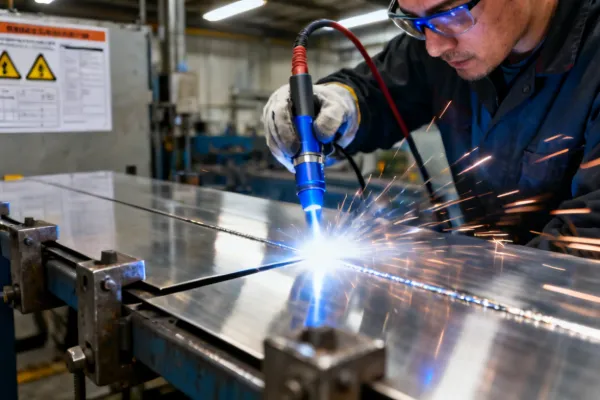
Handheld fiber laser welding stainless steel
Joining

Laser Welding

Our handheld laser welders from 1kW to 3kW deliver cleaner seams than traditional TIG welding, with less heat distortion and faster travel speeds. They work well on stainless steel, carbon steel, aluminum, and galvanized steel in thicknesses from 0.5mm to 4mm.

Common use cases include kitchen sink manufacturing, stainless steel furniture, elevator panels, automotive repair, and general sheet metal fabrication where weld appearance matters.

When Laser Welding Makes Sense (and When It Does Not)

  • Best for: thin to medium gauge sheet metal where cosmetic quality matters
  • Good for: reducing post-weld grinding and polishing time
  • Not ideal for: heavy structural welds where penetration above 4mm is needed. Traditional MIG or TIG is still better for thick structural joints
  • Safety note: Class 4 laser requires proper PPE and training. We provide both
Ask About Laser Welding
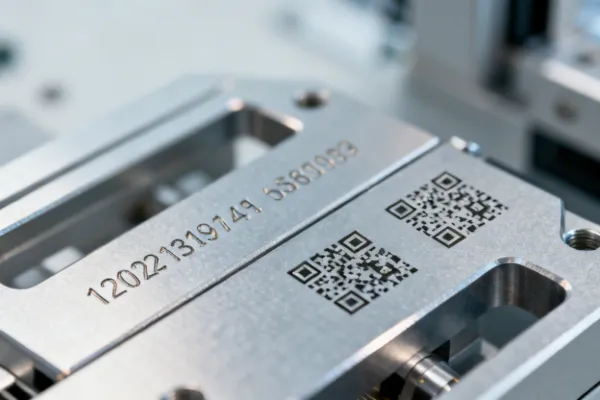
Laser marking serial numbers on metal parts
Marking and Traceability

Laser Marking and Engraving

Permanent marks that survive harsh environments, chemical exposure, and abrasion. Our fiber and MOPA laser marking systems handle serial numbers, 2D barcodes, logos, and regulatory markings on metals, plastics, and coated surfaces.

Industries with strict traceability requirements like medical devices, automotive parts, aerospace components, and firearms rely on laser marking for UDI compliance, part tracking, and anti-counterfeiting.

Choosing the Right Marking Technology

  • Standard fiber laser: best for steel, aluminum, and most metals. Cost-effective for basic marking
  • MOPA fiber laser: needed for color marking on stainless steel and marking on plastics without burning
  • UV laser: for heat-sensitive materials like certain plastics and glass
  • CO2 laser: for organic materials, wood, leather, paper, and certain plastics
Discuss Marking Needs
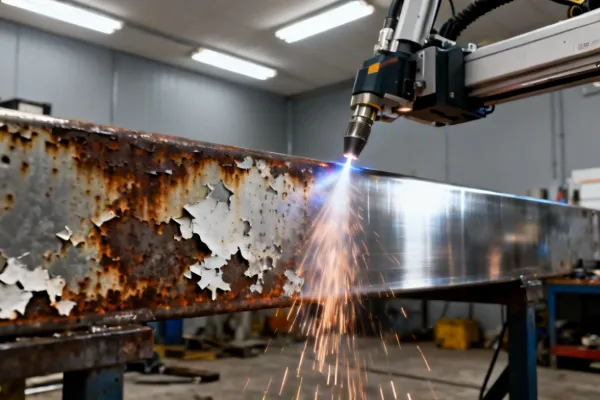
Laser cleaning removing rust from metal surface
Surface Preparation

Laser Cleaning

Remove rust, paint, oxide layers, and contaminants without chemicals, abrasives, or water. Laser cleaning is a non-contact process that preserves the base material while stripping unwanted surface layers.

Applications include weld preparation, mold cleaning, historical artifact restoration, and pre-coating surface treatment. Available in handheld portable units and integrated systems for production lines.

Practical Considerations

  • Cleaning speed depends on the coating type and thickness. Light rust cleans faster than thick paint
  • 100W to 300W units suit maintenance and small-area work. 500W and above for production use
  • Not a replacement for sandblasting on very heavy scale or multi-layer coatings. Works best as a precision tool
  • Generates fume and particulate. Proper extraction is mandatory
Explore Cleaning Options

Not Sure Which Solution Fits?

Tell us about your application. We will suggest the right technology, recommend a power level, and even run test cuts with your material if you want. No charge, no obligation.

Talk to a Laser Specialist